Materials
By prioritising high-quality materials, we ensure that each piece not only looks stunning but also performs and ages beautifully.
Download Digital Sample Pack
By prioritising high-quality materials, we ensure that each piece not only looks stunning but also performs and ages beautifully.
Download Digital Sample Pack
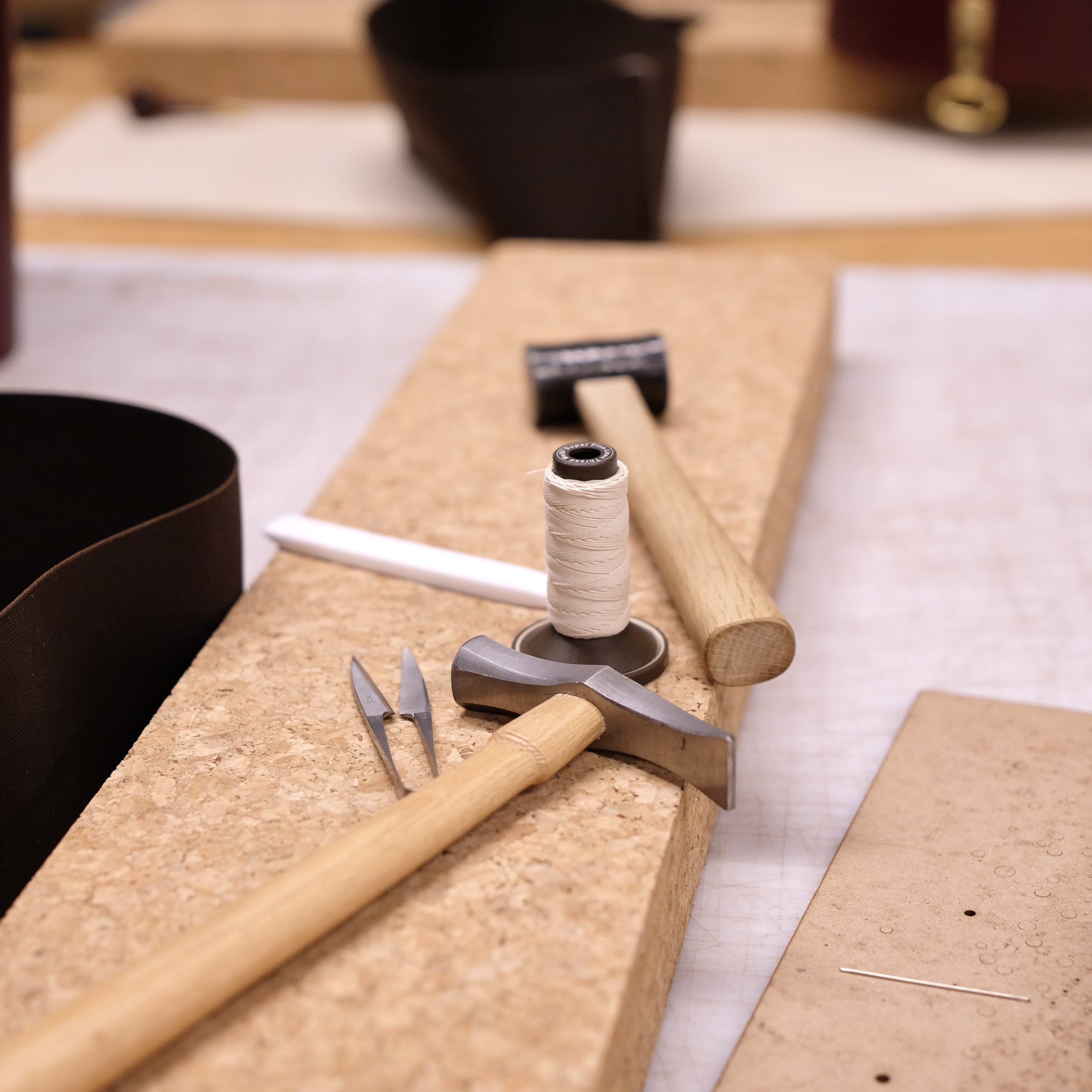
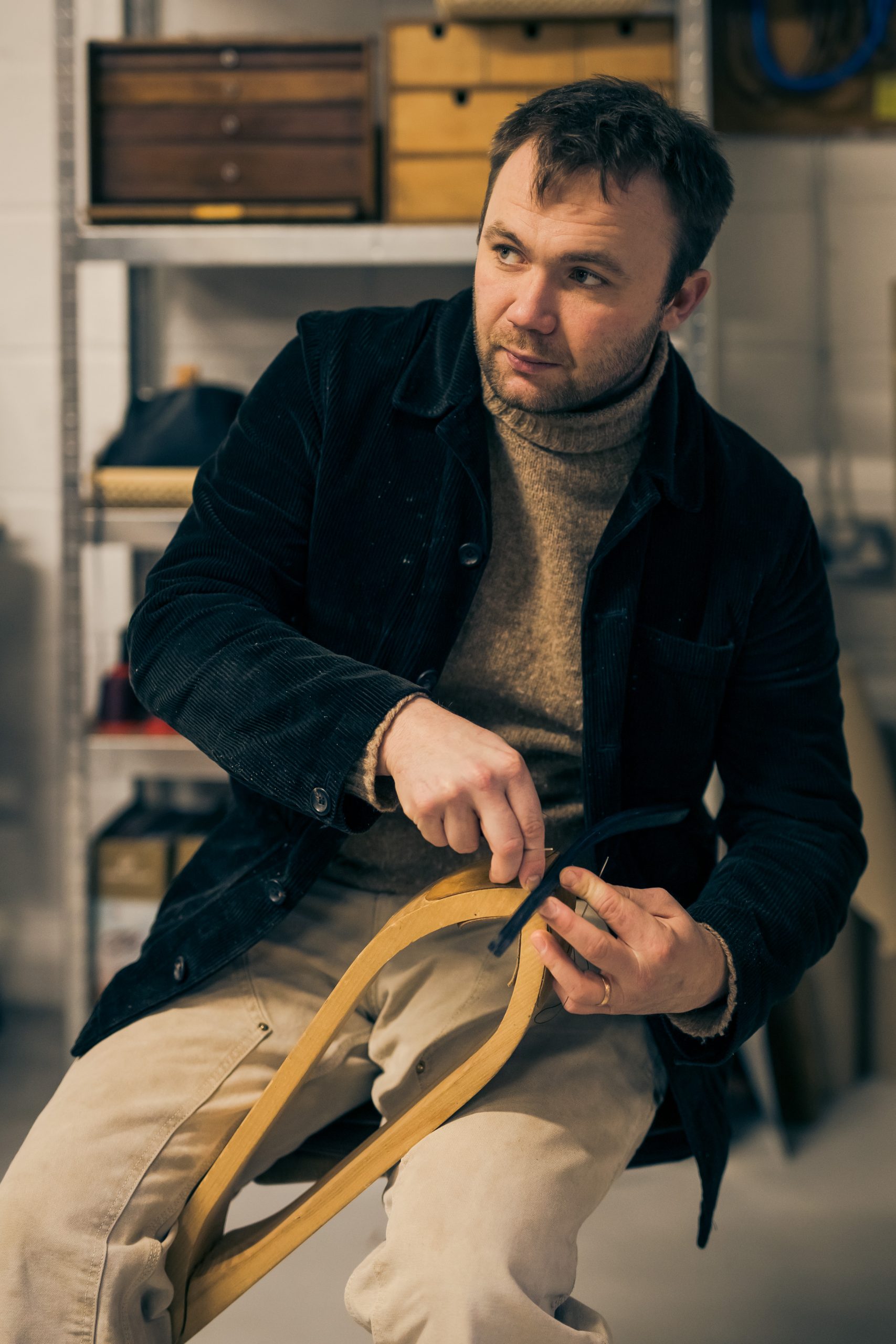
Our materials are carefully chosen for their beauty, their functionality, their durability, and the way in which they are produced. They are integral to the story of each piece. We source the finest leather, timber, and linen, prioritising natural materials that are regenerative and sustainable. We believe that, in using the best materials available, not only do the pieces realise their full potential aesthetically, they also function better and longer. Our pieces are hand-crafted and take hours of patient work to achieve and are a real investment for our clients.
With this in mind we feel that the materials should only be the best in order to honour the quality of our workmanship and to give the piece true durability. Ultimately, we are guided by our belief that natural and sustainable materials have intrinsic beauty and idiosyncratic characteristics that synthetic materials cannot produce. Coupled with timeless design, they produce objects and pieces that will last and improve over a lifetime.

We employ predominantly pit- and vegetable-tanned leather from the UK and Europe. Pit-tanning has been practised in Europe and the UK for hundreds of years and is only used by a handful of remaining tanneries. It produces a superior leather with great tensile strength and durability, whilst keeping the beauty of the full grain on the surface. It involves grinding the bark from either oak or chestnut trees and creating a liquor, much like a tea. The hides are soaked in liquors of increasing strength for 3 months before being layered amongst scattered bark powder for 9 months.
After this lengthy process they are soaked in greases and fat liquors before drying, hand dying, and finished with dubbin. All of these waxes, tallows, and fats are totally natural and animal- or plant-based. The fact that the tree bark, the leather hide itself and the tanning and currying materials are all byproducts from the timber and food industries makes this leather some of the most environmentally friendly and sustainable available today.

The timber we use for our furniture is sourced locally from managed woodland in East Anglia and the South East of the UK, working with local forest management to take timber from trees that have been either storm-felled or taken down for development purposes. We work with most native timbers such as ash, oak, sycamore, elm, chestnut, beech and plane. Where they don’t impede structural integrity, we choose to keep the imperfections in the timber for their amazing grain and striking character, contributing to the uniqueness and beauty of our pieces.

We upholster some of our pieces in linen for a variety of reasons. Visually it has a lovely uneven slubby texture that suits our aesthetic. It also ages very well, getting softer with age and has a durability and toughness in keeping with the leathers and timbers we use. As with our other core materials, linen is inherently sustainable, a fabric that uses less water than cottons and can be grown in poorer quality soils.